Understanding BPC157 Research Applications: Insights into Research Grade Use in Australia
- finessepeptides
- Apr 27
- 4 min read

BPC157 has gained significant attention in scientific circles for its potential in tissue repair and regenerative medicine. As a synthetic peptide derived from a protein found in the stomach, it offers promising avenues for research into healing processes. In Australia, the availability and use of research grade BPC157 have become increasingly relevant for laboratories and academic institutions aiming to explore its properties under controlled, ethical conditions.
In this article, I will walk you through the essential aspects of BPC157 research applications, focusing on its scientific potential, safety considerations, and regulatory environment in Australia. Whether you are setting up experiments or expanding your peptide research portfolio, understanding these factors will help you navigate this evolving field with confidence.
Exploring BPC157 Research Applications
BPC157 is primarily studied for its remarkable ability to promote healing in various tissues, including muscles, tendons, ligaments, and even the gastrointestinal tract. Researchers have observed that it may accelerate recovery from injuries by enhancing angiogenesis (the formation of new blood vessels) and modulating inflammatory responses.
Some key research applications include:
Wound healing and tissue regeneration: BPC157 has shown promise in accelerating the repair of skin wounds and muscle tears.
Gastrointestinal protection: Studies suggest it can protect and repair the lining of the stomach and intestines, which is valuable for ulcer research.
Neuroprotection: Emerging evidence points to its potential in supporting nerve regeneration and reducing neuroinflammation.
Orthopaedic research: It may improve recovery outcomes in tendon and ligament injuries, which are common subjects in sports medicine studies.
For researchers in Australia, sourcing bpc157 australia research grade ensures that the peptide meets stringent purity and quality standards necessary for reproducible and reliable results. This is crucial when designing experiments that require consistent peptide activity and minimal contaminants.

Close-up view of laboratory vial containing peptide solution
Understanding the Regulatory Landscape in Australia
Navigating the regulatory framework for peptides like BPC157 is essential for any research institution. In Australia, peptides intended for research use must comply with the Therapeutic Goods Administration (TGA) guidelines, which regulate substances based on their intended use.
Since BPC157 is not approved for human therapeutic use, it is classified strictly as a research chemical. This means:
It can only be used in laboratory settings for scientific investigation.
It must be sourced from suppliers who provide certificates of analysis and comply with quality assurance protocols.
Researchers must ensure ethical approval for studies involving peptides, especially if animal models are used.
By adhering to these regulations, institutions maintain compliance and uphold the integrity of their research. This also protects researchers from legal complications and supports the broader scientific community’s trust in peptide research.
Is BPC-157 Hard on the Kidneys?
One common question in peptide research is whether BPC157 poses risks to kidney function. This concern arises because many peptides and drugs can have nephrotoxic effects, especially when administered repeatedly or at high doses.
Current preclinical studies indicate that BPC157 does not exhibit significant toxicity to the kidneys. In fact, some research suggests it may have protective effects on renal tissue under certain conditions. However, it is important to note:
Most data come from animal models, and human studies are limited.
Dosage and administration routes can influence safety profiles.
Long-term effects remain under investigation.
For researchers, this means careful experimental design is necessary. Monitoring kidney function markers in animal studies or cell cultures can provide valuable safety data. Additionally, sourcing high-purity, research-grade BPC157 reduces the risk of adverse effects caused by impurities.
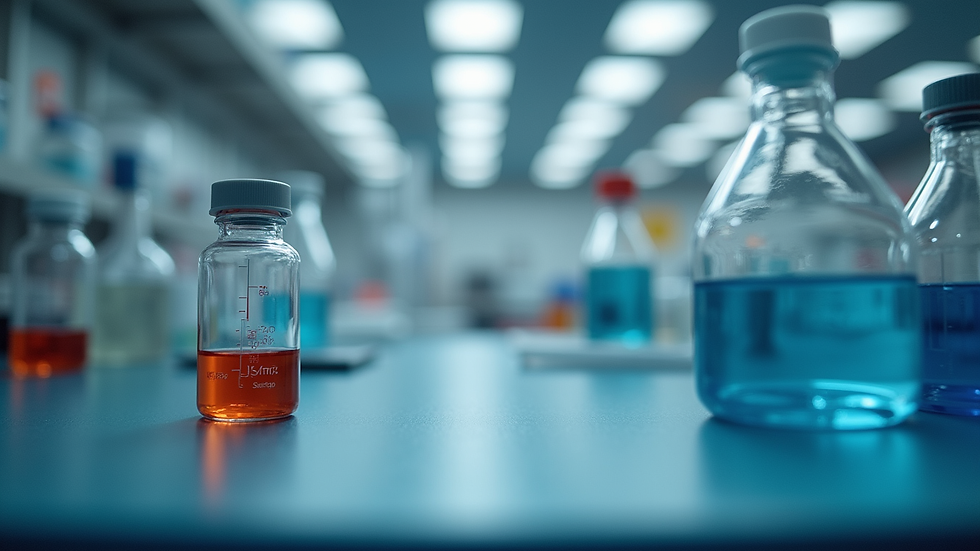
Eye-level view of laboratory bench with scientific instruments and peptide samples
Practical Tips for Working with BPC157 in the Lab
When incorporating BPC157 into your research, several practical considerations can enhance your study’s success:
Verify peptide purity and stability: Always request a certificate of analysis from your supplier. Research-grade peptides should have purity levels above 95% and be stored according to manufacturer recommendations (usually refrigerated and protected from light).
Prepare solutions carefully: BPC157 is typically supplied as a lyophilized powder. Reconstitute it with sterile water or saline under aseptic conditions to avoid contamination.
Determine appropriate dosing: Review existing literature to select doses that align with your research goals. Starting with lower concentrations and escalating as needed can help identify effective ranges without toxicity.
Use proper controls: Include vehicle controls and, if possible, positive controls to validate your experimental outcomes.
Document all procedures: Detailed records of peptide batch numbers, preparation methods, and administration protocols support reproducibility and peer review.
By following these steps, you can maximize the reliability of your findings and contribute valuable data to the growing body of BPC157 research.
Supporting Scientific Exploration with Quality Peptides
The expanding interest in peptides like BPC157 highlights the need for dependable suppliers who understand the unique demands of scientific research. High-quality peptides enable researchers to explore novel therapeutic pathways and deepen our understanding of biological processes.
In Australia, sourcing bpc157 australia research grade peptides from reputable providers ensures that your research is built on a solid foundation. This commitment to quality supports ethical research practices and fosters innovation within the scientific community.
As research progresses, I encourage you to stay informed about new findings and regulatory updates. Collaborating with suppliers who prioritize transparency and compliance can make a significant difference in your laboratory’s success.
Looking Ahead: The Future of BPC157 Research
The potential of BPC157 in regenerative medicine and beyond is still unfolding. Ongoing studies continue to reveal new mechanisms and applications, from enhancing recovery after injury to possibly mitigating chronic inflammatory conditions.
For researchers, this means exciting opportunities to contribute to a rapidly evolving field. By leveraging high-quality, research-grade peptides and adhering to rigorous scientific standards, you can help unlock the full potential of BPC157.
Whether your focus is on molecular biology, pharmacology, or clinical translation, the journey of discovery with BPC157 is just beginning. Embracing meticulous research practices today will pave the way for tomorrow’s breakthroughs.
Thank you for joining me in this exploration of BPC157 research applications and its use in Australia. I hope this overview provides clarity and practical guidance as you advance your scientific investigations.


Comments